Author: Joanne Mass

  • Aberdulais Aqueduct can be saved

    Aberdulais Aqueduct can be saved

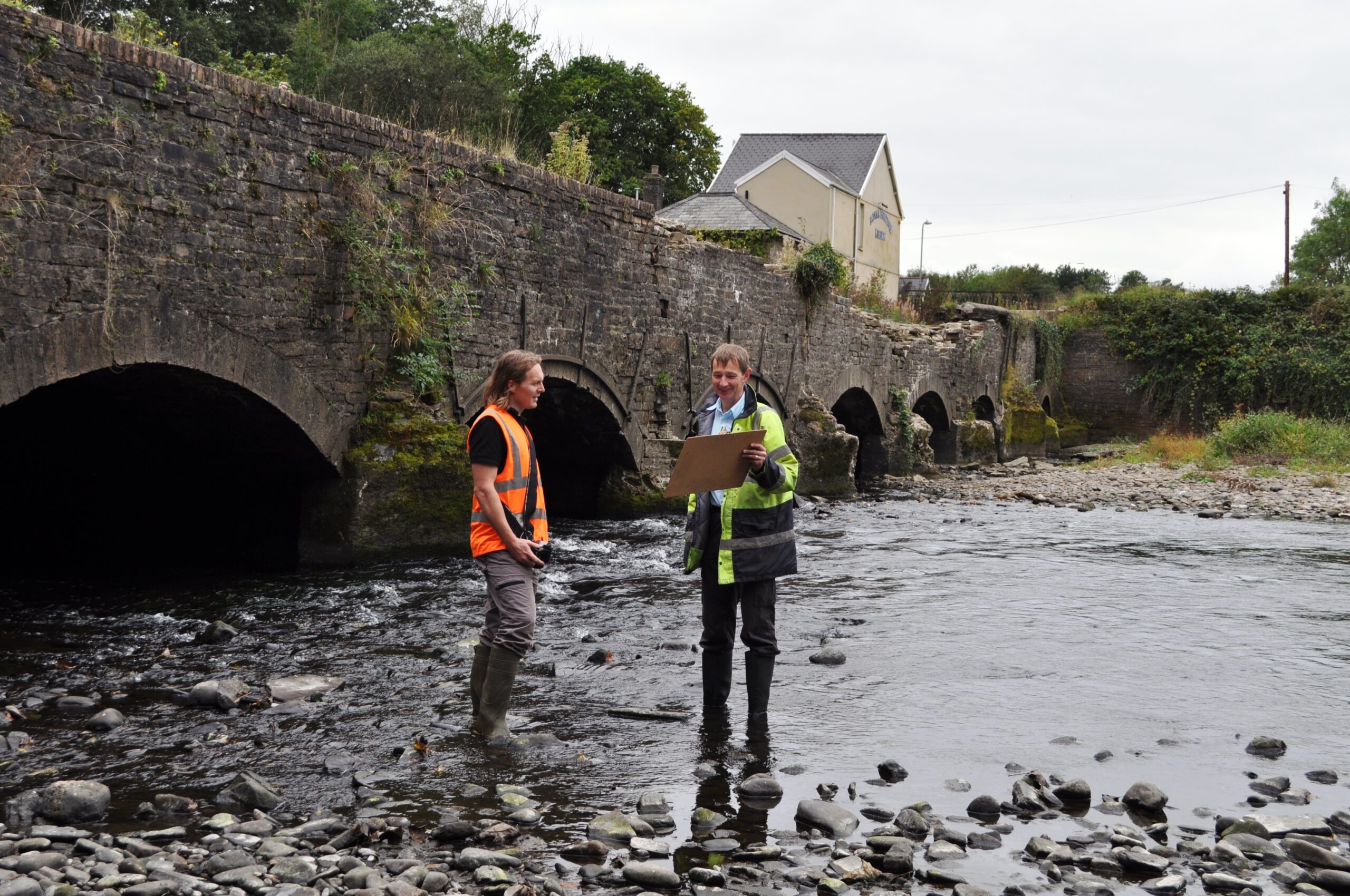
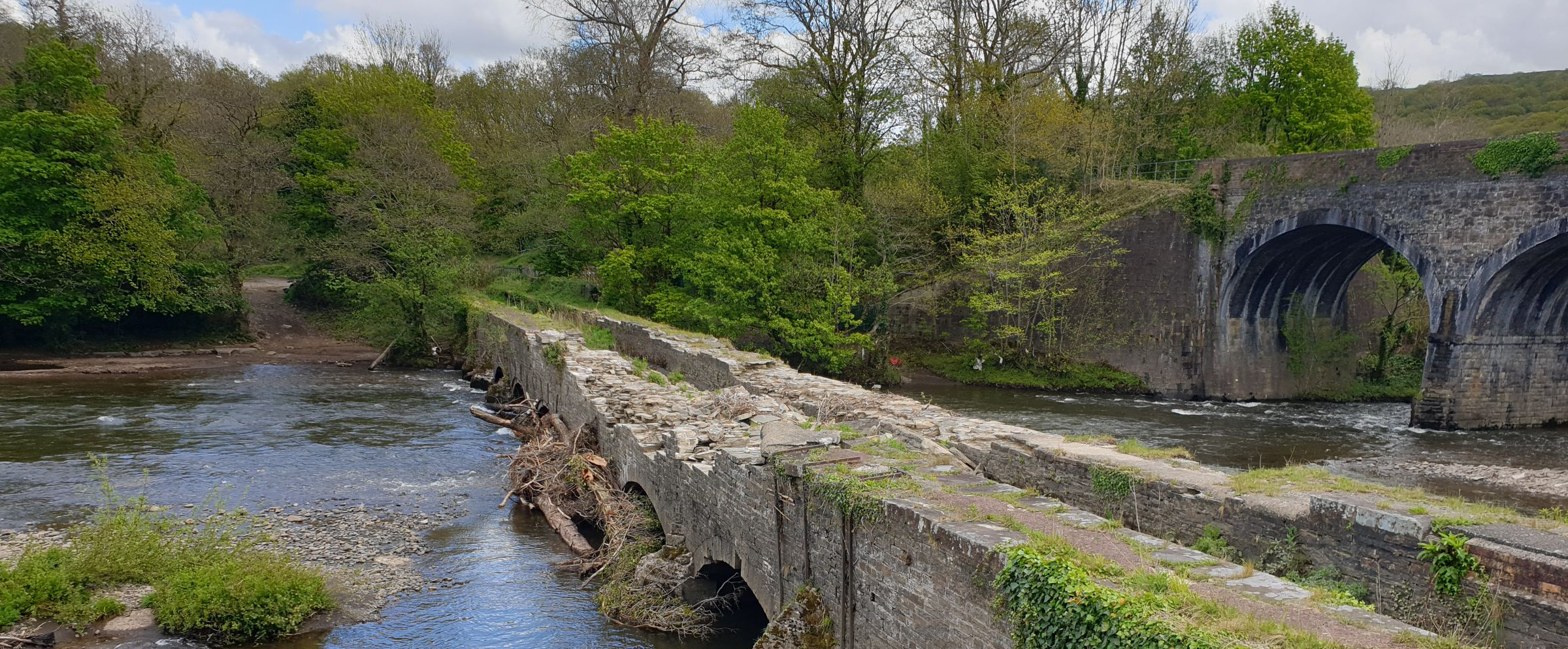
    In August 2021 IWA successfully applied for a CADW grant to cover the cost of a structural survey of the Aberdulais Aqueduct. In September Mann Williams, who specialise in creative conservation of historic buildings and structures, undertook the survey and produce a report at the end of January 2022.

    The main conclusion of this investigation and report is that, despite appearances, the condition of the monument is relatively stable and in its current state repair is feasible. IWA believes urgent and immediate works should be as quickly as possible to mitigate further damage increasing the cost and complexity of repairs.

    In early May IWA, Neath & Tennant Canals Trust and CADW are planning to jointly host a site visit with all the key stakeholders (Natural Resources Wales, Neath Port Talbot Council, the owners of the Aqueduct and Network Rail) to discuss and agree the next steps for the project in order to conserve the structure, consolidating what is currently there, so that in the future it can be strengthened and relined and revert back to navigation.

    At a local level there is a growing awareness of heritage and the importance of project heritage assets in the area. We believe there is a real opportunity to save this heritage asset and will continue to lead on this campaign.

  • Reconnecting the Waterway Restoration Sector

    Reconnecting the Waterway Restoration Sector

    On Saturday 26th March 2022 over 120 delegates and volunteers descended on Stroud for the Annual Waterway Restoration Conference. The conference was jointly hosted by the Inland Waterways Association and Canal & River Trust.

    The last time the waterway restoration sector gathered together for a national networking event it was March 2019. Whilst the conference moved successfully online for 2 years, there was a demand for a face-to-face event.

    This year the focus was on ‘Overcoming obstacles and seizing opportunities’ . The Cotswold Canals Trust and partners showcased the significant progress that their project has made over the past 2 years. Specifically, through major infrastructure projects such as A38 Whitminster Roundabout and the Ocean Rail Bridge. Delegates also had the chance to attend workshops: ‘Relining the canal’, by the Canal & River Trust, and ‘Diversifying your volunteer base and board’, by the Young Trustee Movement.

    Jenny Morris, IWA’s Restoration Hub Coordinator, said:

    “It was fantastic to catch up with some many friends and familiar faces across the restoration sector. The networking over coffee and lunch at these events is just as important as the keynote sessions, all of which provided delegates the opportunity for problem solving, inspiration and sharing of ideas.”

    View the Annual Waterway Restoration Conference 2022 delegate pack & resources

  • 10 things I wish I knew before living on a canal boat

    10 things I wish I knew before living on a canal boat

    I’ve lived afloat for nearly 14 years, on two different boats. I’ve experienced live aboard life whilst moving around the system, off grid, and on a static mooring with facilities. I enjoy living on my boat and wouldn’t change it for the world. Here are a few things I wish I’d known before living on a canal boat.

    1. Keeping up with boat chores takes as much time as a part time job

    Even more so if you are moving around and need to find a new mooring every couple of weeks. There are so many extra jobs that you need to do to maintain and run a boat. For example, collecting and moving fuel, filling your water tanks and emptying toilet tanks. A fairly significant chunk of your time will be devoted to these daily tasks, so it’s important to think about how this will affect your life.

    2. Small jobs become big jobs

    All the systems on a boat are connected. If one thing fails, it’s likely to cascade and affect lots of other systems. If you have no power, then as well as no lights you’ll also have no water pumps. So it’s a good idea to have two methods of heating water, two ways to heat the boat, and several ways to charge your batteries!

    3. Living on a canal boat needs Systems planning

    How will you use the boat – will it match with existing systems? There is no standard way of setting up the systems you need to live comfortably on a boat. Decisions about heating and plumbing need to take into account whether the boat will be off grid or not, and whether it will be moving or in one place for days at a time.

    For example, a boat that spends a lot of time in a marina and connected to mains power will likely have systems that rely heavily on electricity. Take that same boat off grid and you may struggle with hot water and space heating because these systems rely on power-hungry pumps. If hot water is generated by running the engine and stored in a tank, this is fine if you’re moving every day. However, if you’re in one place for days you may wish you had an instant gas water heater that doesn’t need you to run the engine.

    4. It is possible to lose things on a boat

    I imagined I would become some kind of minimalist with only useful possessions. However, I was never a minimalist before I moved aboard and after 14 years we have accumulated a lot of stuff. On the flip side it’s entirely possible to have a library on a boat!

    5. Living on a canal boat takes some Defending

    You’ll learn that you need to defend your lifestyle all the time and on several fronts. You’ll need to defend your decisions to friends and family but also to the various authorities we all need to interact with. Our way of life is not always well understood and I have spent a lot of time in meetings with local authorities advocating for the rights of my community. That said, I’ve made firm friends through campaigning and learned a lot along the way.

    6. Having ‘No Fixed Abode’ is really annoying

    Even if you have a mooring, many boaters don’t have an address the same way as land dwellers do. I spent a decade without an address and it affected me in so many annoying ways. Everything needs a postcode these days and many boaters end up struggling to vote as a result. I got by with two different addresses for different purposes. One in another county that a family member kindly let me use for “official” things. And another when I actually needed to get something delivered or show a local connection. Even now, on a full residential mooring with a post box, it took months of letters and phone calls to add our boat to Royal Mail’s official address list.

    7. Setting a fire to keep in overnight is an art form

    There is a certain timeless fulfilment that comes from heating your home all winter using wood and coal. But on a chilly night when you’ve run out of kindling and firelighters, and the coal is in a heavy wet bag on the cabin top, you do envy those with central heating. Actually I do now have central heating on our boat. But like everything with boats it’s never simple. You have to make sure there’s enough power to run the heating pumps and enough diesel (or HVO) in the tank. The answer to the eternal question that boaters get asked by land dwellers “does it get cold in winter?” is YES, but only if the fire goes out.

    8. Living on a canal boat makes you feel like you’ve become public property

    Spending time moored on the country’s network of navigable waterways, you often find yourself passing through tourist hotspots and holiday destinations. The sight of boats adds to the colour and vibrancy of the area. Which is great, and it’s quite satisfying to be living (for a few days at least) somewhere that other people visit for fun. Until those people start climbing on to your boat to take selfies, or asking you if you offer boat trips!

    9. It isn’t always cheaper than living on land

    It can be, especially in cities like London but licence, fuel and maintenance costs add up. Then there may also be loan repayments and mooring fees to consider. Boat breakdowns can also be unexpected and very expensive to repair. But with my mooring fees, council tax (which is sometimes payable depending on the mooring), fuel and maintenance it’s about the same as renting or paying a mortgage on a small place on land in a similar area.

    10. Living on a canal boat Is more than a lifestyle

    Living afloat has become more then a lifestyle for me, it’s an identity – I feel part of a community of people who support each other, and I love how close I am to the changing seasons and to wildlife. When I am in the kitchen, maybe preparing some food to share with my neighbours, I might look out and see one of the resident pair of cormorants diving into the water. And I can’t imagine living anywhere else.

  • Aqueducts where one waterway crosses another

    Aqueducts where one waterway crosses another

    The answer is that they are places with aqueducts where one navigable waterway crosses over another. In fact, those six locations are the only places where this occurs on the main connected inland waterway network of Britain. The current structures all date from the 19th century and have listed status.

    Three of these special aqueducts are on the BCN within about 4 miles of each other:

    • Steward Aqueduct – Old Main Line crossing the New Main Line just before the top of Spon Lane Locks
    • Telford Aqueduct – Engine Arm crossing over the New Main Line (near Smethwick).
    • Tividale Aqueduct – Old Main Line crossing the Netherton Tunnel Branch

    The next two are also geographically quite close to each other, and were both built by the Trent & Mersey Canal Company:

    • Hazelhurst Aqueduct – Leek Arm crossing over the main line of the Caldon Canal
    • Poole Aqueduct – Hall Green Branch of the Trent & Mersey Canal crossing over the main line of the Trent & Mersey Canal

    And finally, the biggest and most well known…

    • Barton Swing Aqueduct – Bridgewater Canal crossing the Manchester Ship Canal

    Telford Aqueduct (1825)

    The Engine Branch was built in 1789 to improve the water supply to the summit level of the Birmingham Canal (now known as the Old Main Line). This was originally from a pumping engine which gave the branch its name.

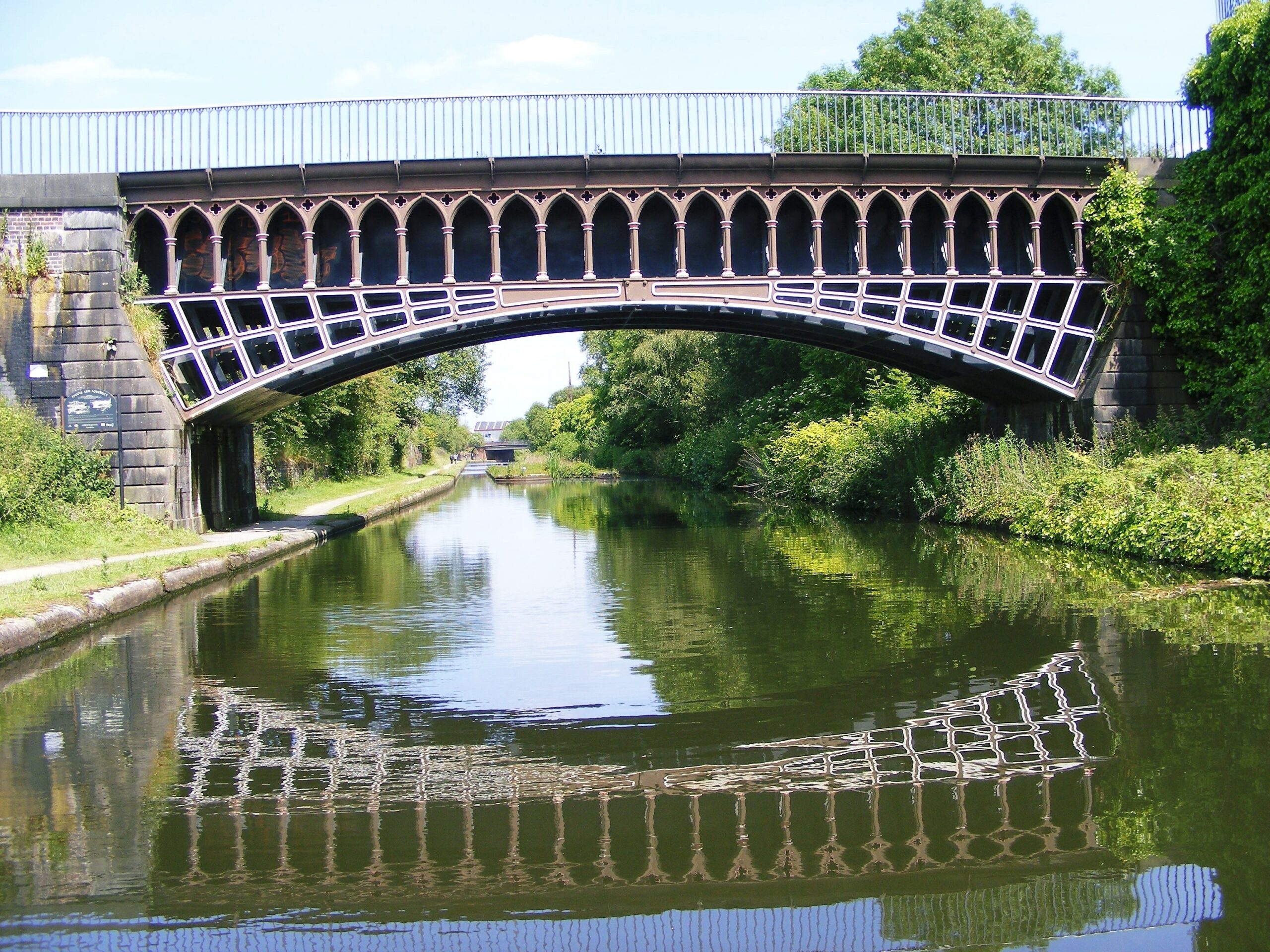
    The cast iron aqueduct was built when Thomas Telford’s New Main Line was constructed through a cutting in this area. It was forged in 1825 by Horseley Ironworks in nearby Tipton. At this time, the Engine Branch was extended to carry water from the new Edgbaston Reservoir, part of Telford’s scheme.

    The aqueduct is Grade II* Listed and also a Scheduled Ancient Monument. The aqueduct consists of a 52 ft cast iron trough supported by a stone arch. It carries the Engine Arm (which is on the Wolverhampton Level, 473 ft above sea level) over the New Main Line (otherwise known as the Birmingham Level, 453 ft above sea level).

    Steward Aqueduct looking down to new main line

    Steward Aqueduct (1828)

    Also known as Stewart or Stewards Aqueduct, this Grade II Listed aqueduct was built in 1828 by Thomas Telford. It was to carry the old line of James Brindley’s earlier Birmingham Canal over his New Main Line, at Spon Lane, Smethwick. Later, in 1852, it had a railway bridge built adjacent to it. The railway line ran parallel to, but much higher up than, the New Main Line. In about 1970, the M5 was built over the top, at a higher level still. The aqueduct is made of brick with sandstone dressings.

    Poole Aqueduct (1828)

    Most people think of this aqueduct as being the place where the Macclesfield Canal passes over the Trent & Mersey Canal. However, it is the Hall Green Branch of the Trent & Mersey Canal crossing the main line of that canal. The branch canal crosses the main line by the brick built aqueduct immediately downstream of Poole Lock, just the second lock down from the summit and the junction of the two canals.

    The Trent & Mersey Canal Company’s Act of 1827 authorised them to build the first 1½ miles of the Macclesfield Canal’s line, and to charge tolls on cargo carried on it. The aqueduct was built in 1828 of red brick with a stone parapet, and is Grade II Listed. The Hall Green Branch, including Poole Aqueduct, was opened in 1831, at the same time as the Macclesfield Canal itself.

    Hazelhurst Aqueduct (1841)

    This aqueduct was part of the third arrangement of canals in the area around Hazelhurst and Hollinhurst on the Caldon Canal. When the canal was first built in 1778 the summit level was less than 2 miles long. However, it was extended when the Leek Arm was added (to supply water from Rudyard Reservoir) in 1801. This included a new staircase of 3 locks being built at Hazelhurst. The Leek Arm crossed the valley on a huge earth and stone embankment, joining the main line at a junction immediately above the staircase.

    40 years later in 1841, the original line of the canal was reinstated. This was as a result of the staircase causing a bottleneck for traffic and being replaced by Hazelhurst New Locks. (3 separate locks actually at Hollinhurst, half a mile away). The embankment was pierced with a new aqueduct, taking the Leek Arm over the main line of the canal. The aqueduct is Grade II Listed and consists of a single arch in painted brickwork with stone dressings.

    Tividale Aqueduct (1890s)

    The Netherton Tunnel Branch (including the tunnel) was built in 1858 to improve communications between the Dudley and Birmingham canals. The original aqueduct on this site carried the original Birmingham Canal over the new branch canal. This was just a few hundred yards before the newer canal heads underground through Netherton Hill.

    The aqueduct was rebuilt in the 1890s and the current structure is made of brick with sandstone keystones. It has two arches either side of a toll island, used for gauging boat traffic, and is Grade II Listed. An interesting feature, the water was run through pipes in the aqueduct from the higher canal through a turbine that drove a dynamo for the electric lighting in Netherton Tunnel. The pipes can still be seen on the south side of the aqueduct.

    Barton Swingbridge crosses the Manchester Ship Canal - Graham and Marilyn Speechley - 2004

    Barton Swing Aqueduct (1893)

    The Barton Swig Aqueduct carries the Leigh Branch of the Bridgewater Canal over the Manchester Ship Canal. Often referred to as one of the wonders of the waterways, it was designed by Sir Edward Leader Williams. Completed in 1893, it was officially opened for commercial traffic on New Year’s Day 1894.

    It consists of a 235ft long trough, weighing 1450 tons, that swings through 90 degrees on a central island. This allows unrestricted navigable headroom along the Manchester Ship Canal. The water in the higher canal is sealed off with gates at either end, and the aqueduct is swung using hydraulic power. The swing aqueduct is Grade II* Listed.

    It dates from the building of the Manchester Ship Canal, and replaced an earlier aqueduct by James Brindley. The previous aqueduct, built in 1761, had been the first canal aqueduct in Britain. This original Barton Aqueduct carried the Bridgewater Canal over the Mersey & Irwell Navigation. So in itself, it was another, and indeed the first, crossing point of one navigable waterway over another.

  • Shardlow awarded Heritage Inland Port status

    Shardlow awarded Heritage Inland Port status

    We are delighted to hear that Shardlow has been awarded Inland Heritage Port status. IWA supported an application to the Maritime Heritage Trust earlier this year.   

    Shardlow, close to where the Trent & Mersey Canal joins the River Trent, is thought to be England’s earliest most complete surviving example of an inland canal port. The village sprung up around James Brindley’s canal after it was completed in 1777, as part of his linking of the Trent and Mersey rivers by canal.  

    Local IWA members supported the scheme, led by a local resident, for Shardlow to receive Heritage Inland Port status from the Maritime Heritage Trust. The Trust has already designated a number of Heritage Harbours around the coast. Recently, Chester became the first place on the inland waterways to become a Heritage Inland Port.   

    We are campaigning for increased heritage protection on the waterways. The Shardlow Inland Port Steering Group will organise an annual festival and campaign for repairs to some of the village’s historic canalside buildings by encouraging investment through funding and grants. We hope that this, along with its conservation status and listed buildings designations, will help protect Shardlow’s unique heritage.

  • Wendover Arm Canal back in water

    Wendover Arm Canal back in water

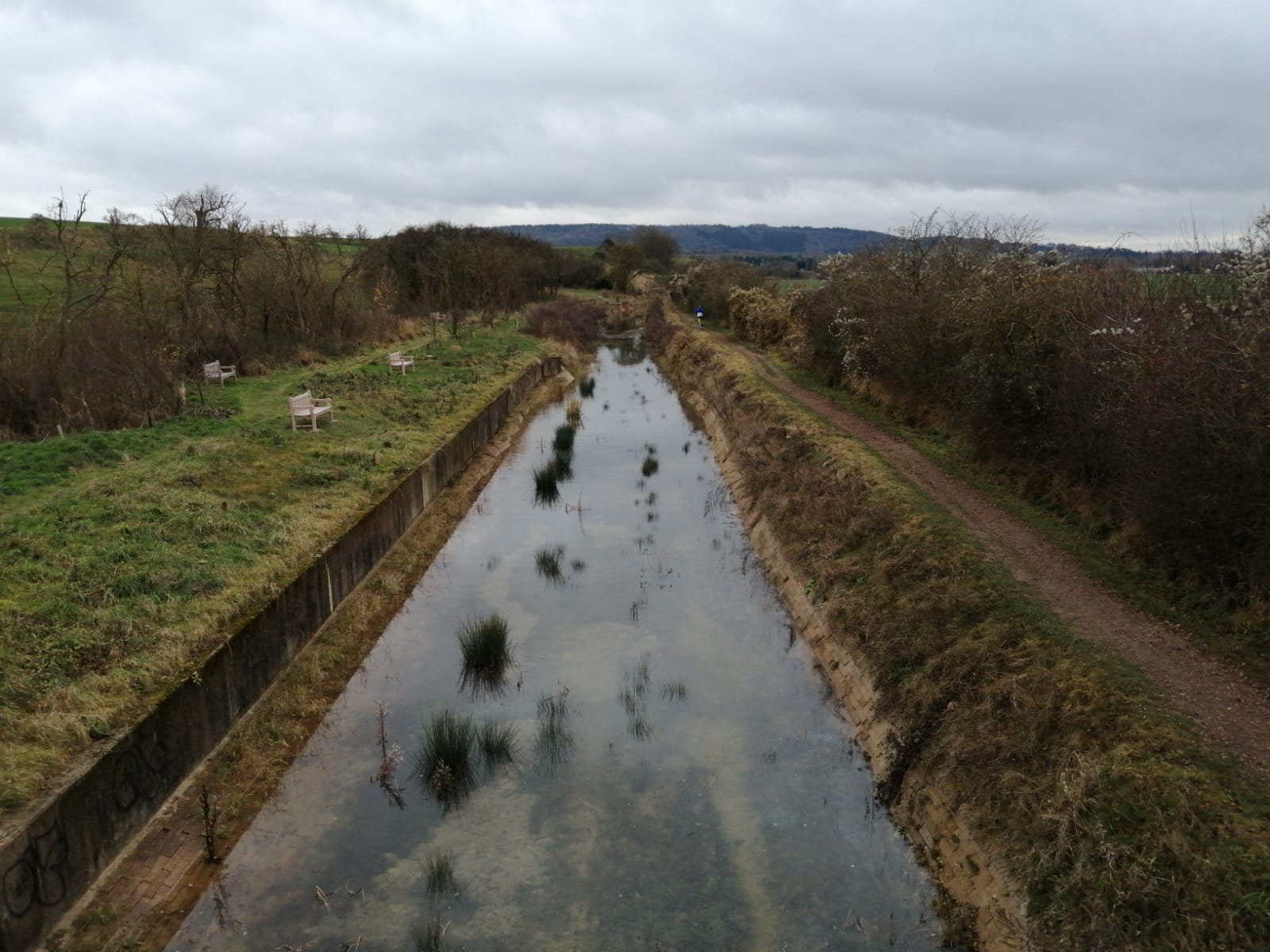
    434 metres of the Wendover Arm Canal started re-watering on the 27th November, a process that takes about 3 weeks. This is a significant and exciting step forward for the full restoration of the Wendover Arm Canal.

    IWA’s Restoration Hub has been providing a significant amount of support to the project, led by the Wendover Arm Trust. Our Technical Support Officer, Mikk Bradley, worked with Canal & River Trust over the drawings and designs. This allowed this section of restoration work to be undertaken by volunteers. He has also prepared detailed drawings for the repairs to the foundations of the swing bridge, including stop plank channels and sheet piling bank protection. Mikk has also taken on an active role in training Wendover Canal Trust volunteers in levelling and relevant regulations.

    The re-watering has come about thanks to the enormous effort of the Wendover Canal Trust volunteers over the last 6 years. During lockdown, local Waterway Recovery Group volunteers got stuck in at the Trust’s regular work parties. IWA’s Restoration Hub will continue to support this project and we will be running a Family Canal Camp with Wendover Canal Trust in 2022.

  • Water transfer projects have significant potential

    Water transfer projects have significant potential

    Water transfer projects can bring benefits to the waterways for leisure, alongside flood management and enhancing the natural environment. At the most recent All Party Parliamentary Group for the Waterways (APPGW), parliamentarians and waterway organisations spoke about the potential of water transfer projects. This includes using or creating reservoirs, pipelines and waterways to manage the movement of water.

    Water transfer projects could include canal restorations and new waterways, with existing canals potentially used to transfer drinking water. Speakers from the water industry outlined the opportunities to the APPGW, chaired by Michael Fabricant MP.

    As well as offering a potential income source for navigation authorities, water transfer projects can also improve the usability of the system. The schemes would upgrade and improve some of the 200-year-old infrastructure, improving resilience for the future.

    Possible Water transfer projects from OFWAT and Affinity water

    Claire Beloe, Principal Engineer at Ofwat and RAPID, explained they are assessing 17 strategic solutions for use with development funding of up to £469 million divided between nine water companies. Most options are water source development options, including three new reservoirs, effluent reuse and desalination. However six of the options involve water transfer, utilising rivers, canals and pipelines. Two of the transfer options include elements of raw water transfer by canal.

    Clare Carlaw, Water Resources South East Engagement Lead for Affinity Water shared their scheme for The Grand Union Canal. This would be the transfer of treated wastewater via the existing canal network. One of the major advantages of this scheme is that by using the canal they are not building new structures or digging up large areas for new pipes. This obviously has a huge advantage in terms of impact on communities, the environment and cost.

    Possible Water transfer projects from Water Resources East

    Robin Price, Managing Director at Water Resources East, shared their plans to transfer water from areas of surplus to areas of deficit. This would include increasing connectivity using both open water channels as well as pipelines. Central to these plans are two new strategic reservoir systems – one in south Lincolnshire and one in the Fens.

    Waterways can be pivotal to how water gets in and out of these reservoirs and Robin outlined four potential projects:

    • The Boston to Peterborough Wetland Corridor, led by IWA working with Lincolnshire County Council and the Environment Agency. It would be 12 miles of new waterway that would unlock 50 miles of connectivity.
    • The Stamford Canal could offer the opportunity to link Rutland Water Reservoir with the new south Lincolnshire Reservoir.
    • The Bedford to Milton Keynes Waterway could bring 11 miles connecting the Grand Union Canal and the River Great Ouse. It could also act as an urban drainage system, reducing flood risk. In addition it would act as a header tank for water taken from the bottom of the Great Ouse system into the new Fens reservoir.
    • The North Walsham & Dilham Canal offers an opportunity for abstraction and water for irrigation, with an opportunity for effluent re-use, using nature based solutions to treat the water and put it back into the system rather than losing it out to the sea

  • Winterising your boat

    Winterising your boat

    Winterising your boat is particularly important if you plan to leave it moored up for the duration. But even if you’re using your boat in winter, it’s worth giving your boat an annual once-over.

    Maintaining your boat externally and internally will keep your boat looking at its best, extend the life of its engine and other parts, and minimise any damage that could occur over the winter.

    Have a checklist

    It is a good idea to create a checklist before you start to ensure nothing is missed. With different boat sizes and types, come different systems to check. If your boat has a service manual, reading through it will help with tasks such as replacing fluids and parts properly. Information on winterising your boat should be provided in the section either called ‘lay up’, ‘cold weather’ or ‘extended storage’. Things to add to your checklist might include:

    • Gather all tools and new parts, fluids to use to winterise your boat.
    • Take out kitchenware, linen, blankets to wash and remove any food (if not using your boat over the winter.)
    • Clean the inside of your boat
    • Change the engine oil and replace oil filters
    • Drain the coolant system and fill half water and the other half with antifreeze.
    • Disconnect and clean the batteries
    • Flush out the toilet with water and pump out the holding tank
    • Drain and leave the freshwater tank empty (if not using your boat over the winter.)
    • Drain and put antifreeze in radiators and sealed heating systems
    • Allow air to circulate inside the boat.

    Winterising your boat Tools & parts

    Gather together all the new parts that may need replacing for example impellers, oil filters, and air filters etc. Make sure you have all the fluids that need replacing such as oil, anti-freeze and corrosion inhibitor.

    Cleaning Inside the Boat

    If you are not using your boat over the winter season, take out any kitchenware to wash, empty the icebox and wash linens or blankets so that when you return to your boat in the spring there won’t be any nasty smells or moulds. Remember to remove any food or anything else that may attract rodents.

    When everything has been cleared, clean the inside of the boat from the floor to the cupboards and even down in the bilge.

    Cleaning Outside the Boat

    Give your boat a good clean on the outside; getting rid of any vegetation and mould. Afterwards inspect your boat’s exterior checking for any damage or leaks. If anything is found get this checked by an expert.

    Winterising Your Engine

    This task will take the longest and will be messy. If you have been using your boat during the summer it is likely there will be a build up of by-products, water and acid which can lead to corrosion. Changing the oil is therefore important to decrease the chance of loss of power, poor fuel economy or engine failure.

    Change your engine oil and replace the filters and it is also a good time to drain out the cooling system with clean water and fill up the antifreeze halfway and the other half fill up with water.

    Thoroughly grease the steering and control parts, working into the joints and check it all moves easily.

    Batteries

    Disconnect the batteries and give them a clean because they can be expensive to replace. Some boat owners take the batteries away with them to charge over the winter others choose to leave them out in the boat fully charged. Some boats may need the batteries kept in for the bilge pump to continue operating.

    Plumbing

    Flush out the toilet with water and then pump out the holding tank.

    Before flushing your fresh water tank, pull the circuit breaker or remove the freshwater pump fuse. Some freshwater tanks come with a drain on the bottom or a filter close to the water pump allowing the tank to drain out water. You may want to add some non-toxic antifreeze directly through the water tank and plumbing. If you are leaving your boat for the winter leave the fresh water systems drained down and empty.

    Antifreeze

    When winterising your boat, don’t forget to drain and put antifreeze in all radiators, air conditioning pumps, sump pumps and bilge pumps.

    Leaving the Boat

    It’s worth checking whether there are any liquids in containers around that may burst when frozen.

    Remember to open any internal doors to allow air to circulate inside you may also want to add any moisture and odour absorbers just before you close up the boat.

    Check your boat regularly

    If you are away from your boat during the winter don’t forget to regularly check everything is ok with your boat as this will minimise the chances of any serious damage occurring over the winter, should something go wrong.

    Things to check include:

    • Making sure the engine is working and if needed, charge the batteries.
    • Make sure the covers haven’t moved and that the boat is watertight.
    • Ensure the mooring ropes are secure and loose enough for fluctuation in water levels when the boat is left unattended.
    • Remove any build up of rainwater and leaves, clear any cockpit, handrail or well-deck drains
    • Check the bilge pump is working.

    Top Tip

    When winterising your boat for the first time, why not make a note of what tools and equipment you have used during the process to make it easier next year.

  • River Idle campaign for navigation

    River Idle campaign for navigation

    The River Idle joins the Trent at West Stockwith. Despite having a statutory right of navigation there is no navigation authority for the river. The river is accessible only by paying a fee to the Environment Agency to open up a pair of sluices.

    IWA has written to the Environment Agency to raise IWA’s concerns. We are calling for action to restore the river to its former capacity as a navigation and drainage channel. This would be through a programme of maintenance and channel reprofiling.

    In its current state, the River Idle is virtually un-navigable. Through a lack of management and maintenance over many years, the river is now heavily silted and overgrown with trees and shrubs. Owing to this, cruises previously undertaken by the Retford & Worksop Boat Club have ended. However, we have members keen to recommence navigation, beginning with small boats to assess the river for the safety of larger boats.

    The Association of Drainage Authorities have highlighted the problem faced by their Internal Drainage Board members. Namely, that heavy silting and vegetation growth have caused a severe reduction in the river’s capacity to convey water. With more flooding and drought likely in the future because of climate change, it is crucial to maintain waterways such as this to improve their capacity for water transfer.

    Dredging this waterway will have wider benefits for the local population and economy, recreation, wildlife and fishing.

  • Unique Dunardry Bridge needs repair

    Unique Dunardry Bridge needs repair

    IWA volunteers in Scotland are campaigning for the repair of Dunardry Bridge on the Crinan Canal.

    The only hand-operated rolling bridge which goes across a lock chamber, it is a unique example of waterways heritage. Whilst there are other moveable bridges across lock chambers and other rolling bridges, Dunardry Bridge is the only example of both.

    Alison Smedley, then IWA Campaigns & Public Affairs Manager, said: “IWA believes that waterways heritage needs protecting. As part of our campaign to call for local authorities and navigation authorities to better protect waterways heritage, we are asking people to investigate their local canal or river in more detail than perhaps they ever have before and find items of interest. We want to make sure the quirky features of the waterways such as Dunardry Bridge are retained, ideally in working order, and are not forgotten in the future.”

    Jonathan Mosse, IWA’s representative in Scotland added: “Whilst there are other moveable bridges across lock chambers and other rolling bridges, Dunardry Bridge is the only example of both. As such, we are working with Scottish Canals to explore options for how to repair it. We understand that Scottish Canals needs to concentrate its expenditure on improvements to navigation but IWA will fully support any heritage funding bid undertaken by Scottish Canals to reinstate the bridge.”

    Find out more about hidden waterways heritage.

  • Save Waterways Heritage campaign launch

    Save Waterways Heritage campaign launch

    Britain’s canals and rivers are a unique, living heritage – they tell the story of our industrial past. Yet that heritage is at risk – from urban development, lack of protection, loss of skills and knowledge and climate change.

    IWA has launched a campaign to raise awareness of the heritage that makes our waterways so unique, from the variety of smaller details and marks to the impressive feats of industrial engineering. And more than this – it’s the culture, crafts and skills – that make our inland waterways a living heritage.

    Our Waterways: A living heritage

    Hear from Giles, Matthew, Abbey, Charlotte and Simon about their passion for Britain’s unique industrial heritage. This new video highlights the importance of protecting the heritage features that can be found along the waterways as well as the skills and traditions that live on today.

    Save waterways heritage

    There are four easy ways that you can help to Save Waterways Heritage.

    1. You can help save waterways heritage by discovering hidden gems near you. Sign up to receive our ‘waterways heritage spotter guide’ – plus the latest heritage updates, and inspiration
    2. Explore your local waterway for examples of hidden heritage that you might not have spotted before and capture them
    3. Share your hidden heritage gems with us and post them to social media with #SaveWaterwaysHeritage
    4. Make a donation to our Save Waterways Heritage appeal

    Perhaps you already have a good story to share about something local to you – or you might find something unusual that we can help identify. We will be sharing examples of these intriguing marks and details that tell their own special stories through our social media channels.

    Find out more about waterways hidden heritage.

  • Community moorings

    Community moorings

    Co-operative moorings, community moorings… Call them what you will but one thing is certain – they’ve become something of a buzzword on our waterways in recent years.

    In London especially, where the growing number of people living aboard is putting ever greater pressure on mooring space, they’re being hailed as one of the few success stories to date in tackling the problem. So much so that IWA’s Vision for London document in 2019 identified the creation of more community moorings as key to future policy in the capital.

    What are co-operative moorings?

    Co-operative moorings are owned and run by the boaters living there. They are usually small in scale (most contain no more than ten boats) and often in disused basins or derelict canalside sites.

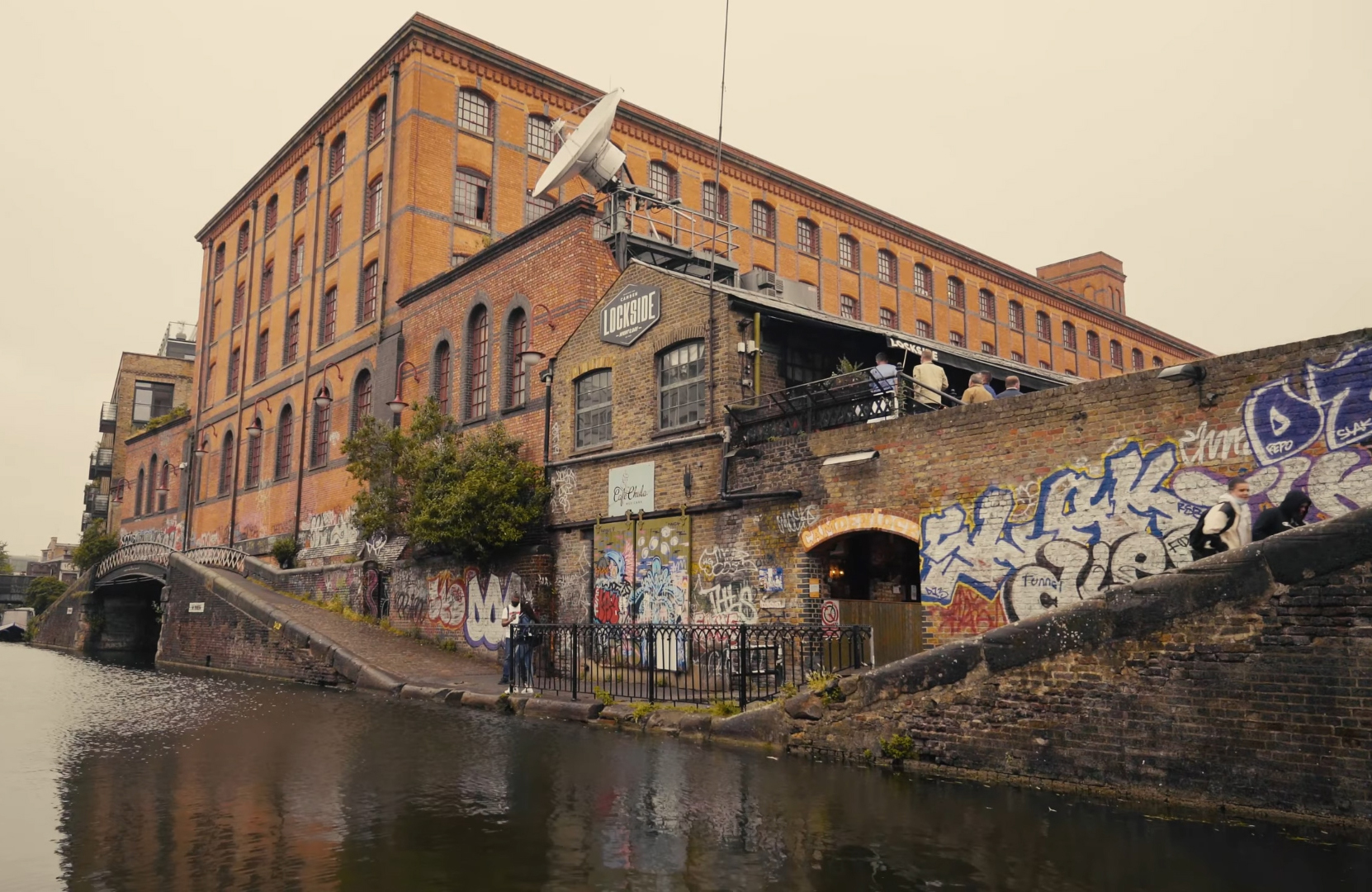
    Paul Strudwick, IWA’s London Region chair, says: “The idea of the community moorings is to use places – basins, off-side stretches – that are currently waiting for development. They’re often locations that can’t have long-term or permanent moorings, or any work that could reduce future options for developers.”

    In the same way that charity shops are sometimes given short-term leases for empty units before a permanent business moves in, so a group of boaters might set up a co-operative to look after the land for the duration of the lease and operate the moorings, continues Paul. It’s not a new idea, but in the past, especially in London, efforts to set them up haven’t always got off the ground. “We’re hoping that with IWA support, new co-ops will have more success.”

    And indeed they are. The Surge Co-op is a case in point. Al Cree is one of its founder members. His quest for somewhere permanent and reasonably priced to live afloat in London was complicated further by the size of his craft – it’s a beast, at 127ft x 17ft, of a Belgian freight barge. When development around his former mooring forced him to move off in 2016, he started looking at other offerings on the tidal section of the River Lea.

    Affordable moorings

    In the end he found a “friendly factory owner” on the Channelsea River, who allowed Al to moor outside and have access from their yard. When other boaters kept asking if they could moor there too, four of them set up Surge, a non-profit organisation with the primary focus of reanimating Bow Creek with affordable, co-operatively run moorings.

    He explains: “It’s not Canal & River Trust land, so we can set up moorings with minimal capital cost. We’re using a standard co-operative housing model where everyone will pay to cover the initial loans/expenditure and generate a constant income for upkeep and creative workshops/community outreach.”

    There’s also a focus on ecological engagement, with regular river clean-ups and replanting already underway.

    Community and heritage benefits of co-operatives

    Ultimately the mooring will include all the main services, including visitor mooring, plus access for rowers and other watersports. Another key point, says Al, is that all the vessels will be valued beforehand, and that won’t include the mooring, so no one will be able to profit from the sale of their boat in its current location. “That’s one of the key problems in London – people selling their boat and cashing in on where it’s moored. It prices people out of the waterways.”

    At Surge’s current site, members are hoping to eventually accommodate eight larger boats, but the group’s ultimate vision is up to 200 moorings along the whole of this tidal river. “There are over 40 known, disused wharves, so historically there would have been hundreds of barges here. There’s so much opportunity and it would be a real shame if we lost this waterways heritage,” says Al.

    Not far away is Cody Dock, another thriving creative and community hub on the River Lea in Newham, East London. Gasworks Dock Partnership, a registered charity and social enterprise, has been operating two tidal live/work moorings beside the dock since 2011 and plans are now underway to restore and reactivate the brick-lined dock itself to create a further seven moorings within it. The charity says the new moorings “will form an integral part of [its] sustainable business model and provide an exciting way of continuing the strong community focus that has been at the heart of Cody Dock’s restoration”.

    “Ecology, history, art and volunteering”

    But community moorings are by no means confined to the capital. Wolverhampton Urban Moorings on the Wyrley & Essington Canal are a great example of how boaters can help themselves elsewhere on the system too. The group was previously based at Minerva Works, Digbeth, where it used its volunteer experience with CRT to create the Friends of Warwick Bar canal adoption scheme, regenerating a run down and underused section of canal.

    When this site was sold, the group secured a longterm lease for a community mooring at a disused wharf in Wolverhampton. In 2016 they set to work transforming it into a community centre and garden for boaters and local land-dwellers alike, with a focus on sustainability and the arts. But the over-riding aim, says the group, is “to create mooring sites that boaters actually want, integrating ecology, history, art and volunteering”.

  • A plan to save Aberdulais aqueduct

    A plan to save Aberdulais aqueduct

    We can now make a plan to save Aberdulais Aqueduct, a Scheduled Ancient Monument, thanks to our successful grant application to CADW.

    We are working closely with the Neath & Tennant Canals Trust to protect Aberdulais Aqueduct on the Neath and Tennant Canals. The aqueduct is in a poor state following flood events causing significant damage to the structure.

    Our campaign to save Aberdulais aqueduct has involved conversations with Natural Resources Wales and the local council. There are concerns that both organisations would support the removal of the aqueduct to alleviate local flooding issues. We have also had meetings with CADW and the owners of the aqueduct. We are also supporting the local Trust to rebuild relationships with local residents and work with the ‘Save the Tennant Canal’ group to create further pressure at a local level.

    In August 2021 IWA successfully applied for a CADW grant to cover the cost of a structural survey of the aqueduct. A survey is needed to get a better idea of the scale of the repair work and potential cost implications. Mann Williams, who specialise in creative conservation of historic buildings and structures, undertook the survey. Once we have the survey results, we will plan the next stage of our campaign to save this heritage gem.

    Find out more about Aberdulais Aqueduct

  • New Ashby Canal path update

    New Ashby Canal path update

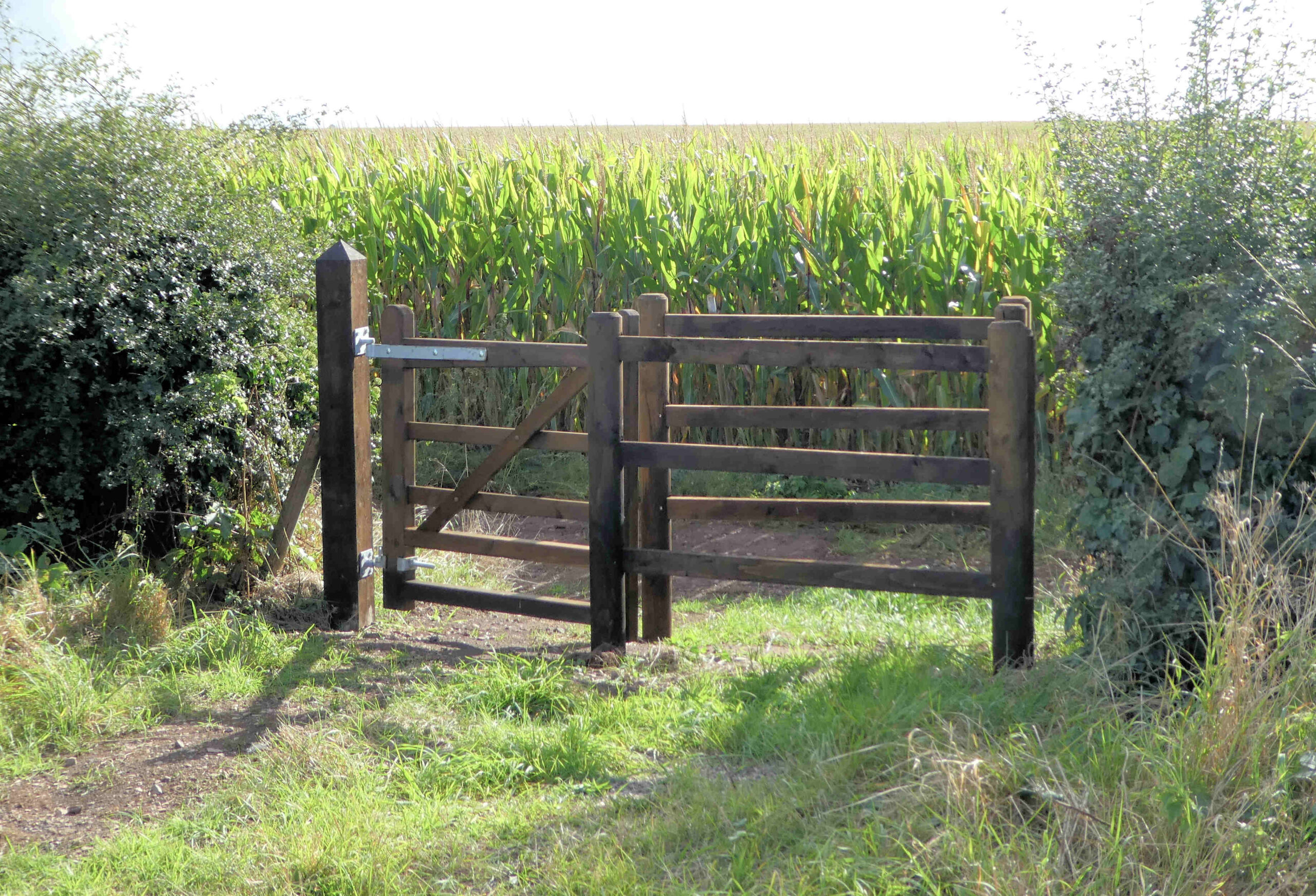
    Volunteers rolled up their sleeves to clear and level a section of the path. Several new gates are now installed on the trail that will create a safe pathway link between the village and the canal. A delivery of 20 waymarkers are also keeping the hard-working volunteers busy.

    The village of Snarestone at the terminus of the canal is a short walk from Measham. However, there is little to link the two settlements. Waterway users arriving at Snarestone along the canal often aren’t aware that Measham- with its shops and facilities – is close by. To get to the village, people currently have to walk country lanes with poor visibility and unsafe verges.

    We hope the trail will help to regenerate the area, as well as highlight the local heritage. The project is funded by our Waterways in Progress grant. Find out more about the Ashby Canal Trail: Regeneration

  • All Party Parliamentary Group for the Waterways: Freight and sustainability

    All Party Parliamentary Group for the Waterways: Freight and sustainability

    Waterborne freight and better dredging could be future solutions to combatting the climate emergency, parliamentarians were advised at a recent meeting of the Waterways APPG about freight and sustainability. 

    The MPs and peers of the All Party Parliamentary Group met on 14th September, and were joined by representatives from navigation authorities, waterway organisations and government officials. Three speakers gave presentations describing ways in which the inland waterways can contribute to the UK’s net zero carbon target. 

    Government should promote water freight

    The first of the three speakers was David Lowe, Chairman of the Commercial Boat Operators Association. David gave an overview of current freight operations and future planned developments, including some easy wins if more funding was made available. He noted that the government’s proposed new public body, Great British Railways, would have “a statutory duty to promote rail freight to secure economic, environmental, and social benefits for the nation”. David suggested that this policy should be replicated so that Canal & River Trust would be obliged – on the waterways designated as Commercial Waterways in the 1968 Act –  to promote waterborne freight to secure economic, environmental and social benefits for the nation. 

    David also suggested that the APPGW should ask Government to issue guidance on its priorities for water freight.  He suggested that with modest funding the Department for Transport could support developing water freight on the larger waterways, including re-introducing Freight Facility Grants for wharves and handling facilities in England.   

    Green benefits of transfer of freight to inland waterways

    The next speaker was John Pomfret who outlined how transfer of freight to inland waterways could contribute to several themes in the Government’s 25-year Environment Plan.  These include cleaner air (lower fuel use by inland waterway vessels compared with road HGVs), cleaner water (risk of spills from accidents involving waterway freight vessels is less than 25% of risk from road traffic accidents), less waste (long life of waterway craft compared with road vehicles) and less congestion on the roads. 

    John suggested that a change in mind-set is needed to achieve more waterborne freight in the UK.  Hauliers are more familiar with road transport which can cause resistance to change.  Better promotion of inland water transport is needed, along with a carrot and stick approach (a combination of funding support and planning conditions).  Planning authorities need to be made aware of the opportunities, and wider safeguarding of existing wharves is essential. 

    In terms of the infrastructure required, John outlined that modernisation and upgrading was required on some non-tidal waterways, especially those operated by CRT.  He suggested that these requirements should be taken into account in the next Government funding settlement for CRT.  He also suggested that there should also be additional funding from DfT for freight – probably through grant systems. In particular, all motorway miles should be taken into account in calculating grant available through the Modal Shift Revenue Support scheme.

    Decarbonising inland waterways in the UK

    The third presentation was by Dr Momchil Terziev and Dr Tahsin Tezdogan, of Strathclyde University’s Faculty of Engineering, who talked about their “Decarbonising Inland Waterways in the UK” project. This research, which is supported by IWA, aims to take a holistic approach in looking at how the UK inland waterways can be decarbonised, and has been submitted to the Engineering and Physical Sciences Research Council for £3.8 million funding. 

    Using data from navigation authorities and a scale model of a canal at the Kelvin Hydrodynamics Laboratory, along with computer modelling, they will seek to identify how dredging can reduce greenhouse gas emissions from inland waterways in the most cost-effective and environmental way.  The project will also look at how innovative green propulsion technology can be adapted to the inland waterways fleet to contribute to the zero emissions target for future generations.  Another outcome of the project would see the development of a user-friendly tool (such as a mobile phone app) that would inform boat crews of the best operational conditions to ensure minimum emissions from their vessel.  Working in partnership with other universities, they will also look at the environmental impacts of dredging and whether there is a way of reversing the emission of greenhouse gases when dredging is carried out. 

    Follow up with Department of Transport

    The three presentations were followed by a general discussion, with waterway users and navigation authorities having the opportunity to raise questions.  One of the key outcomes of the discussion was the importance of more investment in waterways freight, and in particular whether the Department for Transport should be contributing to that in the same way that they do with rail freight.  Michael Fabricant MP, Chair of the Group, concluded the meeting by confirming that the Group would write to the Department for Transport about this issue. 

  • Uttoxeter Canal Restoration Saved

    Uttoxeter Canal Restoration Saved

    We are celebrating after the local authority turned down proposals for a development. The scheme would have blocked the future restoration of the Uttoxeter Canal in Staffordshire.

    The site proposed for development was opposite the restored first lock and basin of the canal at Froghall. There was no route for future restoration of the canal in the proposed development. As a result, it would have prevented the rest of the Uttoxeter Canal from ever joining on to the navigable Caldon Canal and the network of connected inland waterways. Campaigners from The Inland Waterways Association and the Caldon & Uttoxeter Canals Trust are happy the restoration can continue.

    The development proposal was for 48 new houses and restoration of a listed farmhouse, partially on a greenfield site not allocated for housing in the Local Plan. Both the Local Plan and the Churnet Valley Masterplan specifically state that any development should not prejudice potential reinstatement of the route of the Uttoxeter Canal. Development should also allow for land for the future restoration of the canal, along with walking, cycling and horse riding routes.

    Application refused

    The Planning Applications Committee unanimously refused the application. This was for a wide range of reasons, including:

    • the application not meeting the aspirations for mixed use of the site
    • flood and transport concerns
    • the integrity of the adjacent Caldon Canal embankment
    • the appropriateness of the design of the houses for a rural location
    • the harm to the future restoration of the Uttoxeter Canal

    Of the over 300 objections submitted, many were objecting primarily to the impact on the future restoration of the canal.

    Restoration can continue

    The restoration of the first lock and basin of the canal at Froghall happened in 2005. The restoration came about as a partnership between volunteers, British Waterways and local authorities, backed by European funding. As a result, this popular section of the canal is now always busy with visiting boaters, tourists and walkers.

    A study in 2009 concluded it would be feasible to restore the Uttoxeter Canal between Froghall and Denstone. Consequently, this would open up more of the Churnet Valley for recreation. Since then, a number of volunteer-led projects have been completed further down the valley. Find out about the Churnet Valley Living Landscape Partnership.

    Campaign success

    The two waterway charities have been campaigning about the impact the development would have on the canal restoration since the planning application was first placed 7 months ago. In that time we have seen support from across the country from people keen to see the canal restored.

    Alison Smedley, from The Inland Waterways Association, said “We are just relieved that common sense has prevailed. There is no other viable route available for the canal – the alternatives put forward by the developer simply don’t stack up. We don’t object to part of the site being developed for housing, as allocated in the Local Plan, provided the development allows for the future restoration of the Uttoxeter Canal and doesn’t undermine the stability of the Caldon Canal embankment and its retaining wall.”

    Rupert Smedley, spoke on behalf of the Caldon & Uttoxeter Canals Trust at the Planning Applications Committee meeting. He said “An opportunity exists for the developers to embrace the canal and benefit from it throughout the former Boltons Copperworks site. Examples exist across the country and within Staffordshire where developers have done just this, and we remain very willing to meet with the developers to discuss alternative plans for the site that would allow for the future restoration of the canal”.

  • IWA brings a great atmosphere to Perdiswell Park, Worcester

    IWA brings a great atmosphere to Perdiswell Park, Worcester

    The Inland Waterways Association celebrated its 75th anniversary year at Perdiswell Park in Worcester. The IWA Festival of Water during the August Bank Holiday weekend attracted thousands of eager visitors keen to join in the fun.

    Close to 100 boats moored along the towpath for the festival. Traditional working boats and modern narrowboats decked with bunting, flags and flowers attracted a constant stream of admirers.

    Visitors also enjoyed the Worcester heritage walk, following the waterways from the centre of Worcester to Perdiswell Park. This included a short length of the River Severn, Diglis Docks and the Worcester & Birmingham Canal.

    Children had plenty to do in the ‘Find it Do it’ Worcester arena, ‘Wild over Waterways’ marquee and Victorian funfair. The quality of delicious food – from pizzas and doughnuts to stew and irresistible duck fat roasted potatoes – was excellent. The sun brought out queues of people to sample the real ale. Likewise artists in the Entertainments marquee, including local groups, played to full houses.

    A fitting celebration

    Councillor Adrian Gregson, Deputy Mayor of the City of Worcester, opened the festival on Saturday. He said he was delighted to welcome The Inland Waterways Association back to the Worcester & Birmingham Canal, where its formation was first mooted just a few miles away at Tardebigge. Since then, many hundreds of miles of waterways have been restored by the 75 years of campaigning work of IWA.

    Volunteers worked tirelessly for the past two years to put on this event – despite it having to be cancelled in 2020 owing to Covid. Paul Rodgers, National Chair of IWA, said: “I am extremely grateful to the team at Worcester City Council for their unwavering support, to the caterers and stall holders who held the faith and to all the volunteers who gave their time and put in so much effort to ensuring the event was such a success.”

  • York lock reopened thanks to IWA

    York lock reopened thanks to IWA

    Castle Mills Lock – that gives access to the River Foss from the River Ouse in the centre of York – is reopen. Volunteers from IWA and River Foss Society once again now operate the lock.

    The first pleasure boat through the lock since 2018, ‘Slipstream’, was a 16ft Norfolk crab boat. Castle Mills Lock is open thanks to the determination of local volunteers and the expertise of IWA. The new formal agreement between City of York Council, the navigation authority, and IWA means that volunteers can again operate the lock.

    You can book a passage through Castle Mills Lock. (At least 2 days notice is needed).

    Following an IWA campaign cruise in 2004, trained volunteers operated Castle Mills Lock on the River Foss. Thanks to a new formal arrangement in 2020, volunteers from IWA and the River Foss Society received training to operate the lock. However, the pandemic and two long stoppages on the lower river delayed the reopening. Further training took place in early August 2021 ahead of the York Walls Festival.

    The River Foss up to Wormalds Cut is a recent addition to our Silver Propeller Challenge. The challenge aims to get more people out on the water and enjoy the far-flung reaches of the wonderful waterways.

  • Canal and river heritage: 5 good reasons it matters

    Canal and river heritage: 5 good reasons it matters

    1. An important industrial heritage

    Our canals and rivers tell the story of Britain’s industrial past.

    The 7000 miles of waterways are home to 2700+ listed structures, 70 listed ancient monuments and 5 UNESCO world heritage sites. Many are in conservation areas. Yet there are still stretches of waterway and buildings which have no protection at all.

    The heritage of each waterway is unique to that canal or river, as each canal company found a different way to design their infrastructure.

    Heritage Bridge 77, Congleton on the Macclesfield Canal by Martin Allaway
    Bridge 77, Congleton on the Macclesfield Canal by Martin Allaway

    2. It’s not a museUm

    Britain’s canal and river heritage is not in a museum. Our waterways are a vast, open air network connecting city and countryside, alive with boats and enjoyed by millions.

    Moreover, no other heritage system is as widespread or as accessible as the inland waterways. Anyone can walk along a canal in one of many cities and towns across Britain and help to operate a 200 year old lock mechanism with no training – just an enthusiasm to get stuck in and push a balance beam!

    waterways heritage industrial landscape canal
    Gas Street Basin, Worcester & Birmingham Canal. Photo by Nigel Essery

    3. Good for economic growth

    Canal regeneration is a catalyst for economic growth in previously deprived, urban areas. Canal and river heritage alongside the natural world can also give a much-needed boost to rural areas.

    Similarly, the waterways tourism industry is thriving like never before. Because of environmental, health and financial reasons, many more people are choosing to holiday in Britain instead of abroad.

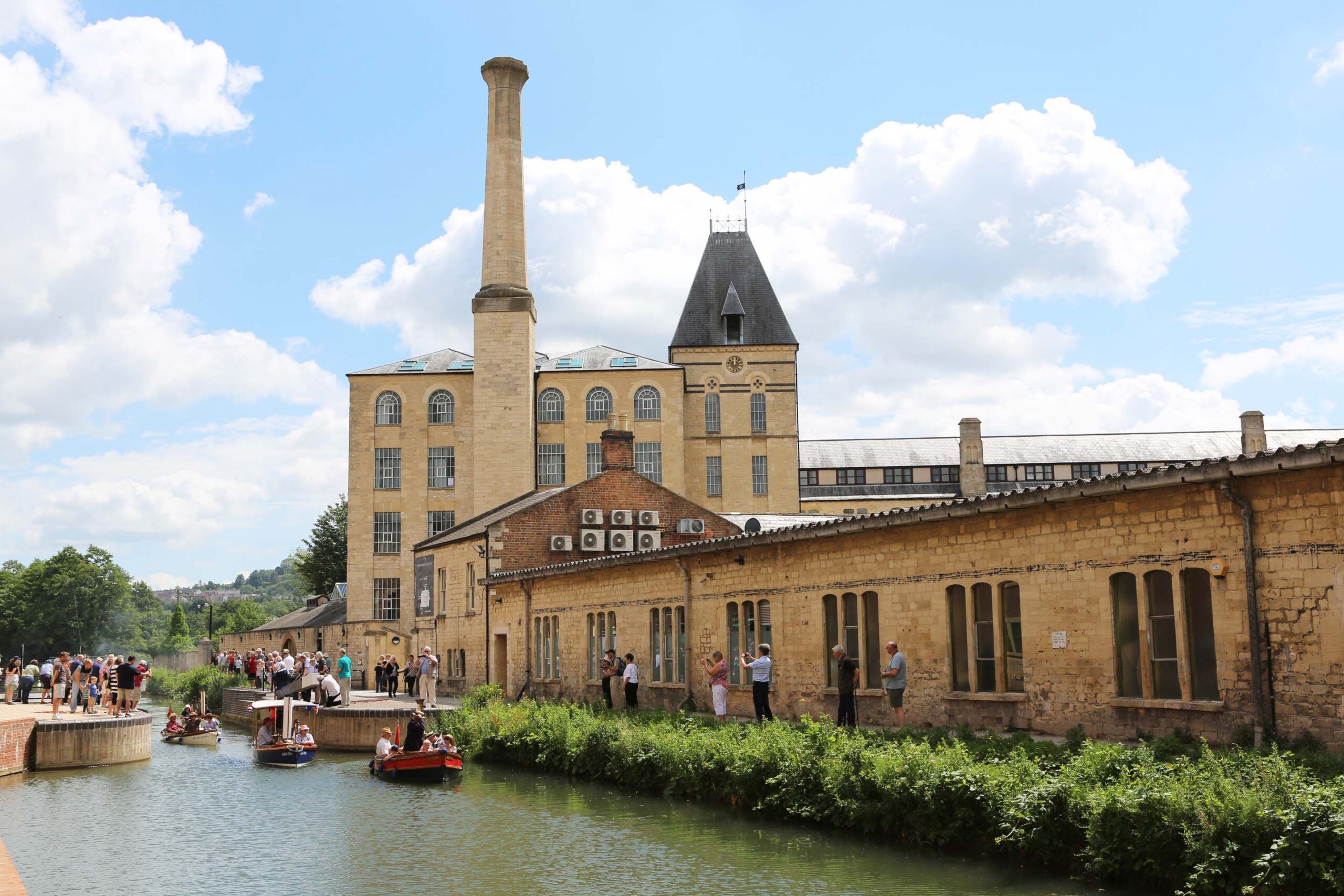
    Ebley Mill
    Ebley Mill in Stroud. Photo by Mike Gallagher.

    4. Better quality of life

    Canals and rivers create green routes through cities and towns, supporting wildlife and improving the mental and physical health of everyone who lives beside them.

    Heritage contributes to how good people feel about the places they live and their quality of life.

    Autumnal canal bridge surrounded by trees
    Ellel Grange Bridge on the Lancaster Canal. Photo by Peter Thomas

    5. It builds communities

    Our surroundings contribute to our ideas about who we are, where we live and how we feel about our local community.

    Canal and river heritage builds communities around buildings, landscapes or cultural traditions and memories. It is vital we preserve this heritage for the future.

    Canoeists paddle under the Lune Aqueduct
    Lune Aqueduct carrying the Lancaster Canal over the River Lune. Photo by Peter Thomas

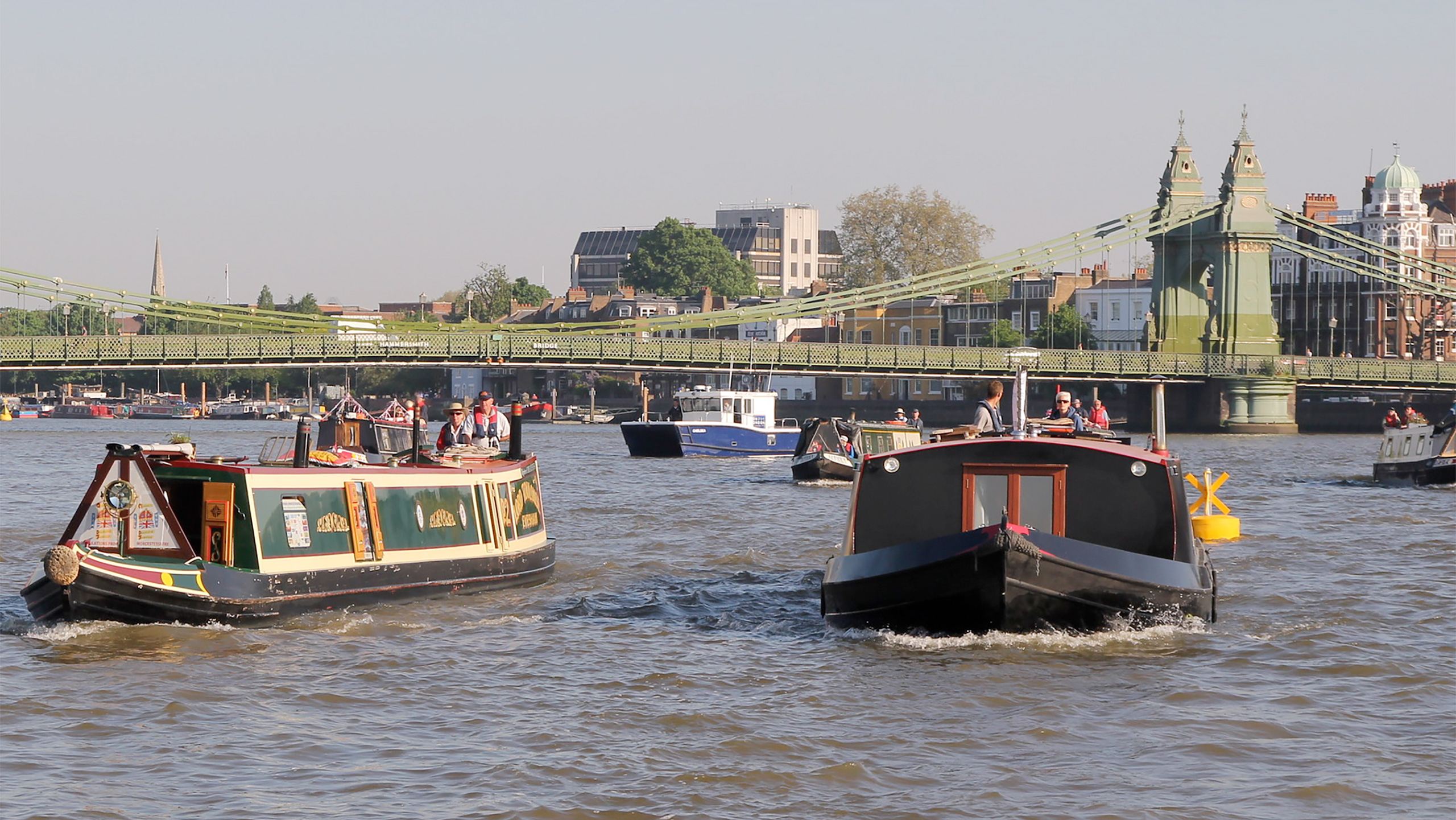
  • Hammersmith Bridge reopens but waterways heritage at risk

    Hammersmith Bridge reopens but waterways heritage at risk

    The closure of Hammersmith Bridge – and the delay to repairs – raises concerns for other historic bridges and waterways heritage structures.

    In May, IWA joined the Company of Watermen & Lightermen of the River Thames to call for unrestricted navigation under Hammersmith Bridge to be allowed at the earliest possible date, in a letter to the transport minister, Baroness Vere.

    Following on from Baroness Vere’s response, the bridge reopened to cyclists, pedestrians and all boat traffic in mid-July. However, traffic signals are still in operation and will prevent river passage if sensors on the bridge detect a problem.

    The closure highlights the importance of long-term funding for repairs and maintenance of historic bridges and other heritage infrastructure. Many of the 200- to 250-year-old heritage assets of the waterways system are at risk from ongoing lack of funding. Similarly, higher summer temperatures from climate change will continue to increase that risk, particularly for heritage structures made of iron.

    Likewise, responsibility to maintain waterways heritage structures can often fall inbetween several different agencies with room for dispute. For Hammersmith Bridge, the Department for Transport announced it is willing to pay a third of the cost of reopening the bridge, expecting Transport for London and Hammersmith & Fulham Council to also pay a third. The Hammersmith Bridge Taskforce are currently reviewing options for how the bridge repairs will be funded.

    Hammersmith Bridge project updates

    Heritage structures at risk

    Other historic bridges needing repair have had similar funding problems. Iron Bridge, over the River Severn, had repairs following an English Heritage crowd-funding campaign, along with a German not-for-profit grant.

    Union Chain Bridge is a heritage suspension bridge spanning the border between England and Scotland. In this case, multiple agencies put together the successful National Lottery Heritage Fund bid.

    Other historic iron bridges on the Heritage at Risk Register include Mythe Bridge, over the River Severn at Tewkesbury.

  • 7,000 miles of British waterways now identified

    7,000 miles of British waterways now identified

    New research reveals a total of 7,000 miles of waterways in Great Britain. Of these, 5,000 of the miles are navigable today. The other 2,000 miles are either derelict or under restoration. 

    Our Waterways Directory is an invaluable and unrivalled waterways resource that details all the inland waterways ever brought into navigation. It has been updated with thorough research by IWA experts and local volunteers. 

    The main sources of the additional 500 miles uncovered are:

    • further research in Scotland
    • improved coverage of former routes of river navigations
    • including more significant branches of the Grand Union Canal in the London area

    The research informs our local campaigning and sprung out of the need to know who was responsible for what waterway. The new version also lists every local authority responsible for the areas through which each waterway passes. Local IWA volunteers use the Directory to contact navigation authorities and work towards better local waterways. 

    John Pomfret, the IWA navigation expert who compiled the directory, explained: “The Directory has been updated to give an authoritative record of the country’s waterways assets, the only place the information is available in one place in such an accessible form.” 

    “It highlights the complexity of protecting and restoring the waterways, with over 200 navigation bodies in Great Britain, and the scale of the invaluable heritage and habitats of our canals and rivers,” he said. 

    Download the latest version of the Directory.

  • Price parity of biofuels key in bringing UK’s inland waterways to net zero

    Price parity of biofuels key in bringing UK’s inland waterways to net zero

    Therefore, the Government must support HVO as it is the best current option for boats on the inland waterways. 

    We believe HVO provides an immediate solution for the majority of diesel-powered craft registered on the inland waterways. This is based on research carried out by members of IWA’s Sustainable Boating Group and wider commercial operators.

    As a drop-in alternative to mineral diesel, HVO is more than 90% carbon neutral with many other benefits. Most importantly, it is available now. Potential uptake is only sluggish due to its availability, as well as greater production costs and therefore price at the pump.  

    One of the current barriers to the commercial use of alternative fuels is that fossil fuel prices do not fully reflect the environmental costs that result from their use. Examples of this are the costs of climate change and pollutant impacts. This reduces the perceived cost-effectiveness of alternative fuels, leading to under-investment in related technologies and systems.  

    The Government needs to support HVO until fuels made from renewable sources (other than biomass) are readily available, at an acceptable price and are free of any diesel engine operating issues. 

    We have responded to the Government’s ‘Targeting net zero – Next steps for the Renewable Transport Fuels Obligation’ consultation.

  • Red diesel budget announcement is a win for boaters

    Red diesel budget announcement is a win for boaters

    Keeping the use of red diesel for both private and commercial boats is fantastic news for the inland waterways. IWA has lobbied government about this issue for many years and it will be very much welcomed by boat owners, freight operators, boatyards and waterway-based fuel suppliers.

    This is a successful outcome of our campaigning for many years around the use of red diesel and taxation. The only disappointment is that the Chancellor has not so far recognised the significance of alternative fuels with any form of tax break. Hydrotreated Vegetable Oil (HVO) – identified by the IWA Sustainable Propulsion Group as a drop-in replacement for mineral diesel – is currently sold at around a £0.10 premium over its fossil fuel equivalent. At over 90% carbon neutral, its use can reposition inland boating close to the target carbon neutral goal.

    The announcement in the Chancellor’s Budget of 3rd March coincided with the publication of the conclusion of last year’s Treasury consultation into the use of red diesel. It confirms that the current arrangement for private boat owners will continue. This means they can use red diesel and pay their fuel supplier the difference between the red diesel and white diesel rates on the proportion they intend to use for propulsion.

    The document also confirms that all commercial boat operating industries will be able to continue to use red diesel. This is great news for inland waterways freight and getting more traffic off the roads.

    The decision overturns the announcement from HMRC last July, which stated that privately owned pleasure craft would not be able to use red diesel from April 2022. Boat owners will welcome this change of plan, along with boatyards and boat-based fuel suppliers who would have had to invest in new equipment.

    More details can be found in the government’s response document

  • Robert Aickman’s waterways legacy

    Robert Aickman’s waterways legacy

    The building that gave birth to IWA is singled out from other houses in the terrace by a blue plaque. “Robert Aickman,” it reads, “author and co-founder of the Inland Waterways Association lived and worked here.”

    Erected in September 2015, the blue plaque is a fitting reminder of a pivotal figure in the struggle to save Britain’s canals from institutionalised neglect and destruction – and the meeting on 15th February 1946 that formalised his (and like-minded colleagues’) commitment to that cause.

    Robert Aickman was an extraordinary man who, years after his death, still continues to court controversy and, more importantly, to inspire others. To these waterways enthusiasts, his former house at 11 Gower Street, London, remains their spiritual home.

    Waterways legacy

    At the unveiling of the Gower Street blue plaque, the very essence of Aickman’s achievement was summarised by Les Etheridge, former IWA Chairman: “Those who enjoy the waterways today owe him a great deal. Without Robert’s ‘unreasonableness’ we would have lost the Oxford Canal south of Banbury, the southern Staffs & Worcester Canal, and perhaps the Leicester Summit as well. And without his tenacity in saving the Macclesfield Canal, the restorations of the Peak Forest and Ashton Canals would have been much less likely. What a difference that would have made to the waterway network we enjoy today.”

    Les Etheridge went on to describe Aickman’s finest hour – the reopening of the South Stratford Canal on the 11th July 1964 in the presence of the Queen Mother. It was, he said, “a pivotal moment – conclusively demonstrating that volunteer-led restoration was a viable model for the recovery of the waterways.”

    At that 1964 event Aickman told the Queen Mother that he now intended to start working on the restoration of the Upper Avon Navigation, which was still in a state of dereliction. The Queen Mother vowed that, if he did, she would be pleased to formally reopen it. Ten years later, on 1st June 1974, she met her promise and the reopening ceremony was held at the Upper Avon’s new top lock. Among those in the official entourage was the Poet Laureate John Betjeman, also a prominent IWA member on Aickman’s persuading, and he read a poem he had written for the occasion, which concluded:

    Among Aickman’s other restoration achievements were the 35 miles of the Monmouthshire & Brecon Canal with local IWA man Ian Wright. And had Aickman not been moved sideways in the political shenanigans within IWA in the mid-1960s, I like to think he would have stopped the new M6 blocking the northern section of the Lancaster Canal.

    Disillusion

    Despite his success, by the mid-1970s Aickman felt disillusioned by the continued antics of the BWB and attitudes within IWA to BWB’s proposed further canal closures. In 1973 he moved from Gower Street, surprisingly to a flat in the New Barbarism of the Barbican, and began a restless life. He largely confined his IWA activities to restoring the Upper Avon Navigation partnered with David Hutchings, the man on the ground, in whom he had total trust.

    Finding the modern concrete jungle of the Barbican wasn’t conducive to writing his ghost stories, he moved to a flat in Earls Court three years later, and then twice more – once sharing with his literary agent Felix Pearson. Towards the end of 1980 he was diagnosed with cancer, for which he refused conventional treatment. He died in hospital on 22nd February 1981.

    Literary Career

    Aickman wanted to be remembered, however, not as the saviour of the canals but as a great writer of ghost stories, which became an increasing obsession. There was here an added twist to his stories – he really believed in an unknown supernatural force, which for good or bad influenced our daily lives. Towards the end of his posthumously published autobiography (The River Runs Uphill: A Story of Success and Failure), he insisted: “People will not accept, as Shakespeare did, that the ‘supernatural’ is no special enclave in life, but an all-pervasive element in it.”

    Four of Aickman’s collections of ghost stories were republished in 2014 to mark the centenary of his birth. However, I prefer to remember Aickman for what he did to save our inland waterways. I suspect readers inspired to make the blue plaque pilgrimage to his Gower Street home will too.

  • Waterway investment crucial for visitors and safety

    Waterway investment crucial for visitors and safety

    The vital importance of the waterways to the Government’s aspirations for economic prosperity and the population’s physical and mental health was highlighted by three navigation authorities at the most recent meeting of the All Party Parliamentary Group for the Waterways.

    Canal & River Trust, the Broads Authority and the Avon Navigation Trust all reported dramatic increases in visitors to their waterways during 2020, with the restrictions imposed as a result of the Covid-19 pandemic bringing many people to their local waterways for the first time. Visits to towpaths and riverside paths increased, along with the number of people using canoes and stand up paddleboards.

    The navigation authorities also noted the impact of climate change and the role of waterways as a critical aspect of national infrastructure, particularly as a response to extreme weather events such as flooding. They urged the Government to take a long-term view to make waterways more resilient to future environmental pressures, as well as ensure funding for current ‘high-risk’ aspects of waterways infrastructure.

    Underfunding continues to be the biggest threat facing our inland waterways. All three speakers stressed the importance of future funding to ensure ongoing access by the whole population to safely managed waterways. IWA will continue to push the government to make sure waterways are properly funded, by raising awareness of the issues and providing a platform for navigation authorities.

    Find out more about how we lobby government through the APPG for the waterways.

  • IWA Volunteer Awards 2020

    IWA Volunteer Awards 2020

    The Award winners were:

    CYRIL STYRING TROPHY

    IWA’s premier award is given to an individual IWA member who has, in the opinion of the trustees, made an outstanding contribution to furthering the Association’s campaigns.

    The trophy recipient in 2020 is John Pomfret.

    John joined IWA in 1969 and was active in the North East Region in the early 1970s. Later in the 1970s he joined the Inland Shipping Committee for the North East and was soon invited to attend Inland Shipping Group meetings, becoming its chairman in 1988 and retaining that role for four years. In 1992 he took over the role of chairman of IWA’s former Conservation Committee. John has been a member of IWA’s Navigation Committee providing expertise on environmental and inland shipping issues almost continuously for over thirty years. His knowledge of VHF radio usage and potential problems arising between commercial and private boaters has been invaluable to the Association.

    John was elected to IWA’s Trustee Board in September 2000 and has since spent over 14 years as a Trustee and Regional Chair. He is currently a member of IWA’s Northampton Branch committee and a member of the Board of Essex Waterways Ltd. His intimate knowledge of a very wide range of inland waterways, especially those less frequently travelled has also been an important resource for the Association. He is the author of IWA’s Waterways Directory, which currently lists over 650 individual waterways and is an asset which more than 1000 people have downloaded from the website. It is also printed on the back of IWA’s unique IMRAY map of the Waterways of Great Britain.

    John’s formal qualifications and experience as an ecologist provided a valuable support for the Association regarding both navigational and the environmental matters. John was able to offer expertise and up to date knowledge regarding current and changing legislation. He was appointed by Government and served for the maximum term permissible on Defra’s Inland Waterways Amenity Advisory Council (latterly IWAC), but when his term of office expired his services were considered so valuable he was brought back as an advisor until the Council’s demise.

    He authored a number of IWAC’s publications, including Britain’s Inland Waterways: Balancing the needs of navigation and aquatic wildlife, considered the standard work on the subject.

    Audrey finished the tribute by saying “John’s dedicated work for the Inland Waterways Association over forty years, make him a most worthy recipient of the Cyril Styring Trophy.”

    JOHN HEAP SALVER

    The Salver is awarded to an IWA member who, in the opinion of the trustees, has made an outstanding contribution to raising funds for the Association.

    John Brice of IWA Chiltern Branch was named as the recipient, having been involved with his branch for at least 25 years and raised over £50,000 during this time. Fundraising activities have included annual lock‐wind weekends, day trips and boat cruises as well as branch jumble sales at Rickmansworth Festival. John was the Festival Waterspace Manager for many years and his focus on raising money through the event led to the branch one year raising in excess of £1200.

    Funds raised by the branch have enabled the installation of benches on the Grand Union canal and are being put towards the construction of a new slipway on the Wendover Arm.

    Dave Chapman, who nominated John Brice said: “John is one of those unique individuals who has ideas, can raise funds off the back of those ideas and then can see through the projects which have been made possible because of the money he has raised. The John Heap Salver would be a very appropriate recognition of the great service he has given IWA over a very long period!”

    CHRISTOPHER POWER PRIZE

    This prize is awarded to a person, society or trust who has made the most significant contribution to the restoration of an inland waterway.

    The winner – Athina Beckett – was nominated by Chris Durham of IWA Milton Keynes Branch for her dedicated and enthusiastic contribution to the ongoing restoration of the Grand Union’s Buckingham Branch.

    Athina joined Buckingham Canal Society in 1993 as a volunteer and as is so often the way, further roles soon followed. In 1997 she took on the job of work party leader, a role she continues to hold today, and has been particularly successful at encouraging corporate volunteering involvement with the restoration project. Athina is a Trustee of the Society and an ex – Chair of Trustees and through the years has been a volunteer with Waterway Recovery Group’s BITM group, getting hands-on involved across the country at a large number of restoration sites. Audrey said “I am delighted we have been able to recognise the work and success of such an extraordinary woman.” Athina receives the Christopher Power Prize and Buckingham Canal Society receives a cheque in the sum of £1000.

    Richard Bird Medals

    Received by volunteers nominated by their colleagues for the significant benefits they have brought to IWA over a sustained period.

    David Venn: David caught the boating bug in 1989 after a hireboat holiday which led him to say to his wife “let’s get rid of the caravan and get a boat instead”. David has been a member of IWA for the best part of 25 years and on retiring to East Anglia became Chair of IWA Peterborough Branch where he kept up an almost constant pressure on Environment Agency to not only make sure that the Old Bedford River is navigable but also to make a symbolic point by leading campaign cruises along Horseways Channel to Welches Dam so that boats almost meet either side of the stanked off lock.

    Throughout his years of involvement David also gave his expertise as an ex-fireman to advise the national festival teams on health and safety at events. The awards panel found “It would be hard to think of anybody more deserving of recognition and reward for the long term support of, and contributions to, IWA.”

    Robin Bishop: Robin is Secretary of IWA West London Branch, a role he has carried out for many years, and is described by his colleague Roger Hazelgrove as “always first to volunteer to promote the work of IWA and of the branch at events and festivals where he is also pretty skilled at selling IWA merchandise.” Robin is well known across the waterways through his involvement with the Friends of Raymond, helping to take Raymond and Nutfield to waterways festivals and talking to visitors about the boat. He is dedicated to improving the canals and can often be found waterside on work parties repainting, clearing vegetation and other activities.

    Adrian Sturgess: Adrian began volunteering with Waterway Recovery Group in 2005 and is now one of their most highly skilled excavator operators. He has volunteered on over 70 Waterway Recovery Group Canal Camps, training weekends and other WRG nationally organised events as well as at countless WRG regional group weekend digs.

    However whilst Adrian has spent much of his time inside an excavator on site, carefully grading a slope or excavating a lock chamber, it is his time spent teaching over 200 new plant operators which means he thoroughly deserves to be recognised with a Richard Bird Medal. Presented with his award by Rick Barnes, IWA Deputy Chair, Adrian was described as “one of WRG’s main ‘go to’ plant instructors, and one of WRG’s unsung heroes, always happy to get his hands dirty in true WRG style!”

    Jack Wootton: Jack joined IWA in 1979 and became Treasurer of IWA East Yorkshire Branch committee in 1993. For the next 27 years Jack remained in post, carrying out the role admirably and has now decided to take a very well-earned retirement. As well as being a dedicated supporter and valued committee member, Jack organised the all-important annual branch outings, giving supporters the opportunity to visit other waterways around the country by car and by boat and has been instrumental in the organisation of branch cruises. Helen Whitehouse, IWA Trustee described Jack’s contribution to IWA as “outstanding”.

    Colin Bird: Colin joined IWA in October 1972 and joined IWA Chiltern Branch committee in 1995. Almost immediately he focused on organising trips, the first of which was to the Kennet & Avon which was so successful that they developed into annual weekends away. He has also utilised his comprehensive knowledge of not only UK waterways, but also his experiences holiday boating in Europe, to bring an interesting array of speakers to branch monthly social meetings and he has taken them online very successfully during the lockdown. Dave Chapman, IWA trustee and Chair of IWA Chiltern Branch said “Colin is the very essence of what makes IWA so good and is the reason why the branch has such a reputation for its excellent speaker programme.”

    IWA’s Branch Achievement Award

    Given annually to the Branch that has made the greatest progress in promoting the Association’s aims and objectives during the past year.

    IWA West Country Branch is a unique combination of campaigning and practical hands-on waterside volunteer work. They bring the theme of one IWA to reality by assembling expertise from across the Association – engineers, planners and heritage advisors, WRG Forestry and WRG BITM volunteers – to advance the branch campaigning objectives. The branch also uses the advice of IWA experts to secure the greatest advantage when facing up to the giants that are Canal & River Trust and Environment Agency. The committee recognises the value of partnership and has forged excellent relationships with local planning and government authorities and both Bridgwater Town Council and Sedgemoor District Council count IWA West Country branch as their allies.

    Their work is covered by local radio, TV and press and the team makes the most of social media too to raise awareness and whip up a storm when they have to.

    Branch chair Ray Alexander and work party organiser Mike Slade have a motto: “There is no I in team” and the work of their branch committee; Maurice Pinner, Julian Gibson, Chris Jewell and Michael Aldridge was said by Sarah O’Grady, IWA’s Chief Executive to be “a lesson to us all in what you can achieve with a small team with big aspirations and good direction”.
  • A tale of love and a generous gift

    A tale of love and a generous gift

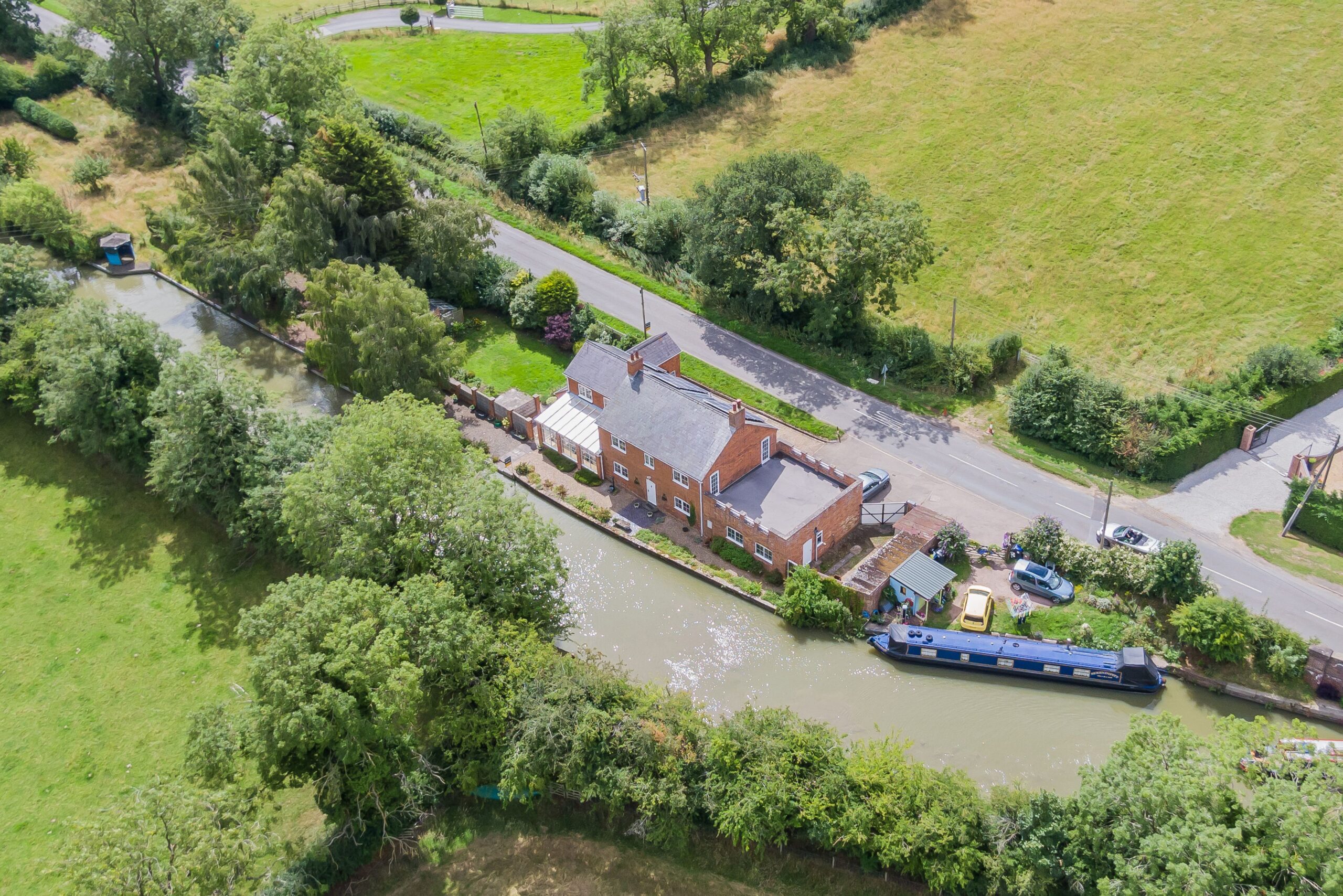
    The Boat House at Yelvertoft, a property that is known to many users of the Grand Union Canal in Northamptonshire as it sits right at the water’s edge, was left to the Association in the will of Mary Jackson. Mary passed away in 2018 having shared the property with her husband Michael, who died in 1995. Michael’s brother, Ian, is the former chair of IWA Warwickshire Branch and he showed us round the property last year.
    Ian told a tale of the wonderful love between Michael and Mary and their shared passion for boating as well as for IWA. Their beautiful home was originally constructed as a pub with stables, and it dated from around the same time as when the canal was built. The land to the east of the pub acted as a coal yard for a number of years, before becoming a houseboat mooring for a local doctor. In the 1980s the house’s owners had secured permission to construct a small marina in the large paddock and they even took the first steps towards seeing this business idea come to fruition. However, their plans were put on ice and the house was offered for sale. It was then that Michael and Mary came to see the property and fell in love with its waterside location.

    Improvements over the years

    Over the ensuing years Mary and Michael demolished the stables and made gradual improvements to the main property while retaining the footprint of the original pub, with a very large reception room and smaller, private sitting area (a former snug?). The rebuilding of the house included raising floor heights and installing insulation, and the addition of a conservatory and solar panels made it more comfortable and practical for modern family living.

    Mary wanted the property to remain as a home after her death so that the passion she shared for the waterways with her husband could live on through the house. Her wish was that the property’s canalside location should be utilised as fully as possible for boating and the enjoyment of the waterways – two things dear to both their hearts. Ian says his family are keen for IWA to “obtain maximum benefit from the property”, and the Association is incredibly grateful to the Jackson family for their generous gift.

    Rental proposition

    A small team of volunteers and staff was brought together in 2019 to work out how to make the most of the property as a rental proposition, while remaining true to Mary’s will and the couple’s passion for the waterways. A builder was appointed following the approval of specifications drawn up by the group. The bathrooms have now been upgraded and a new kitchen installed to suit the requirements of a 21st-century family.

    Once complete, the five-bedroom house will be an attractive prospect for renters. Outside, the paddock could be used for grazing or horse care, and the moorings that run alongside represent a further potential income stream for IWA.

    After meeting with Ian and viewing the property, we took a stroll along the towpath opposite the Boat House and found a bench with a dedication to Michael. It’s a lovely spot to sit, ponder the view and reflect on the gift left to IWA, which will bring long-lasting benefits.

    With thanks to Ian Jackson for the tour of the property and to IWA volunteers Mike Dyer and Chris Howes for seeing this legacy project through to the point of rental.

    Passing on property

    If you would like to talk to a member of IWA’s staff team about the potential for leaving a gift in your will or request a Legacy pack, please call us on 01494 783453 or email legacy@waterways.org.uk.

  • Stop the loss of waterways heritage

    Stop the loss of waterways heritage

    Our on-going campaign to protect waterways heritage has been bolstered by the launch of the first part of a two-part report which aims to highlight the significance of waterways heritage across the UK.

    The report focuses on the need for better protection of waterways heritage assets but also calls on navigation authorities, councils, planning authorities, developers and builders to consider waterways heritage in any future development plans for local waterways and adjoining land.

    Britain’s waterways form a vast, open-air network of working canals and rivers, connecting city and countryside, alive with boats and enjoyed by millions. As a heritage asset it is unsurpassed in scale and accessibility. It tells the story of Britain’s industrial past as well as being important to its future. Sadly, many of the unique and diverse heritage features that make the waterways so special are not protected. Vast numbers have already disappeared and those that remain are at great risk of being lost.

    Our report highlights our concerns and calls for a greater level of protection for waterways heritage features, over and above the 2,800 larger structures that are already listed through the Historic England register. These include 70 scheduled ancient monuments and five UNESCO world heritage sites. We don’t want the waterways to become a museum. What we are asking for is that our waterway history is protected and included in development plans rather than being overlooked or removed.

    Part two of this report will be released in the summer and will go into more detail about the value of waterways heritage using a series of in-depth case studies alongside other resources for use by our Branch Heritage Officers.

  • Montgomery Canal: Enhancing heritage & habitats

    Montgomery Canal: Enhancing heritage & habitats

    After becoming derelict in the 1930s, restoration began on the waterway in 1969. Now, about 50% of the canal’s 35 miles have been returned to navigation and the towpath has also been brought back into use. Most of the canal is a Site of Special Scientific Interest and in Wales it is a Special Area of Conservation. However, thanks to a 2005 conservation management strategy, these precious habitats continue to be protected, even as the waterway welcomes increasing boat and visitor numbers. Restoration to date has included the creation of off-line nature reserves to safeguard wildlife and rare water plants when sections of the canal are reopened to traffic. These have become an attraction in
    their own right.

    Meanwhile, the built heritage – an integral part of the restoration – has also been rejuvenated. Currently 25 of the canal’s 28 locks have been restored and many of its bridges, aqueducts, warehouses and other structures have been conserved although more remains to be done.

  • Hollingwood Hub, Chesterfield Canal: Creating community spaces

    Hollingwood Hub, Chesterfield Canal: Creating community spaces

    Formerly a lock house, it was converted in 2010/11 thanks to a government grant of £385,000 under the Community Assets Programme and now boasts a coffee shop, a meeting and education room, a play and picnic area, shower and toilets. It also serves as an archive and office base for the Chesterfield Canal Trust. With many local facilities closed due to financial cuts, the Hub has filled a much-needed gap in the area. Its flexible space lends itself to a wide variety of different uses. The meeting room is used by schools, crèches and playgroups. It is available from early morning until late evening so social events, training courses and night school classes are also easily accommodated.

    The Hollingwood Hub site is owned by Derbyshire County Council, who supervised the renovation and construction, and it is run by the Chesterfield Canal Trust. It is conveniently located on the Chesterfield Canal towpath (which also forms part of the Trans Pennine Trail), attracting some 55,000 walkers and 30,000 cyclists each year, as well as anglers and canoeists. Many of them call at the Hub for coffee, for information about the canal or for volunteering opportunities. Meanwhile, the garden is being developed by local volunteers and school children. Benches, picnic tables and cycle racks have already made this an inviting area for all.